Creating a Seamless Customer Interaction with Online Printing Services
In the current rapid digital environment, customer experience has become a top focus for companies striving to remain ahead. One tool emerging in this field is print management technology. Such an innovative solution is reshaping the way print shops and businesses function, allowing them to provide smooth services that cater to the ever more personalized demands of clients. By adopting web-to-print solutions, businesses are able to improve their operations, refine order management, and eventually provide a significantly pleasurable engagement for their clients.
As we explore the domain of web-to-print solutions, we will investigate how it transforms the printing business, the advantages it offers to print shops and businesses, and the essential characteristics to seek in selecting the best solution. Whether you are a print shop operator or a company seeking to improve your online sales, understanding the critical aspects of such technology will empower you to make informed decisions and elevate your customer experience to greater heights. Come with us as we reveal the essential components of these solutions and their significance in shaping the next generation of the print industry.
Comprehending Web-to-Print Platforms
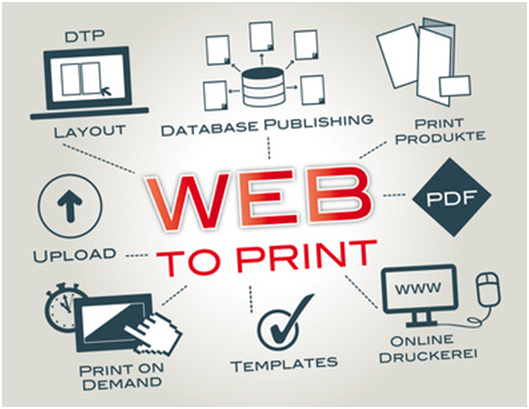
Web-to-print systems represent a major progress in the printing industry, permitting businesses to control their printing needs through online platforms. This tool enables customers to design, customize, and order printed materials directly from their devices. Users can choose designs, upload artwork, and specify quantities, providing a smooth process that enhances the overall experience for users. This convenience is particularly helpful for businesses seeking to maintain a competitive edge in a quickly changing market.
One of the essential aspects of web-to-print solutions is the adaptability they offer. Unlike old-fashioned printing methods, which often require manual intervention and in-person consultations, web-to-print solutions allow for real-time cooperation and quick adjustments to print orders. This digital approach not only makes easier the workflow for print shops but also allows customers to take an engaged role in the development process. As a result, businesses can meet personalized printing needs more successfully than ever before.
The integration of web-to-print platforms with modern technology is transforming how print services are offered. By incorporating features such as e-commerce functions and automated processes, these platforms can greatly improve order management and business efficiency. This shift not only enhances customer satisfaction due to quicker turnaround times but also facilitates print shops to expand their business by accessing a wider audience online. As technology continues to advance, the capability for web-to-print platforms to reshape the industry remains optimistic.
Advantages and Benefits of Print-on-Demand Software
Web-to-print software offers a variety of advantages that greatly enhance the efficiency of printing companies and enterprises. Web 2 Print of the key advantages is the ability to streamline the order management system. With a simple interface, customers can easily provide their artworks, modify products, and submit orders over the internet, resulting in a more rapid turnaround time. This efficiency not only improves user contentment but also minimizes the likelihood of issues that can happen in traditional order-taking methods.
Another crucial aspect of web to print solutions is their functionality for customization and tailoring. Organizations can provide customers the option to make personalized products that suit their specific demands, such as tailored branding or custom designs. This versatility empowers clients, making them more prone to choose a service that affords them to demonstrate their individuality. Additionally, the addition of custom data printing features ensures that each printed piece can be tailored individually, further boosting the appeal of the products.
Lastly, the expandability of web-to-print software allows printing businesses to expand their operations efficiently. As needs rises, these systems can handle more requests and connect with e-commerce platforms for efficient functioning. The internet-based characteristic of many web to print systems allows businesses to use their platforms online, reducing the need for physical facilities. This scalability, together with cost-effective features, makes web-to-print an essential resource for any print shop wanting to thrive in a virtual realm.
The Future and Directions of Web-to-Print
As we gaze toward the horizon, Web-to-Print solutions are set to face major transformations driven by developing technologies. Artificial intelligence and ML are at the vanguard of this evolution, improving efficiency in publishing processes, boosting customer customization, and streamlining order fulfillment processes. This integration not only enhances processes but also allows print providers to provide more personalized experiences, aligning with the rising consumer demand for custom products.
Sustainability and environmentally friendly printing methods are becoming increasingly important as businesses strive to reduce their ecological footprint. Web-to-Print solutions are adapting by incorporating green practices, such as lessening waste through efficient printing processes and using sustainable materials. This trend not only satisfies consumer demands for ethical business conduct but also aligns with corporate eco-friendly objectives, making it a crucial focus for print shops in the forthcoming years.
Additionally, the combination of online commerce with Web-to-Print technology will persist to grow. The smooth relationship between online markets and print services allows businesses to tap into new markets, improving customer journey through simplified ordering processes and real-time updates. As more organizations embrace these systems, we can expect seeing innovative capabilities that more bridge the gap between online and print, ultimately transforming the print industry landscape.